
Interior design is an integral part of architecture, focused on creating interior spaces that make the building both functional and aesthetically appealing. Still, we have different kinds of buildings, so it makes sense that we have different kinds of interior designs. This can include houses, apartments, condos, and anywhere else where people reside. The architect may build the house, but it’s the designer’s job to make it a home.
What We Do
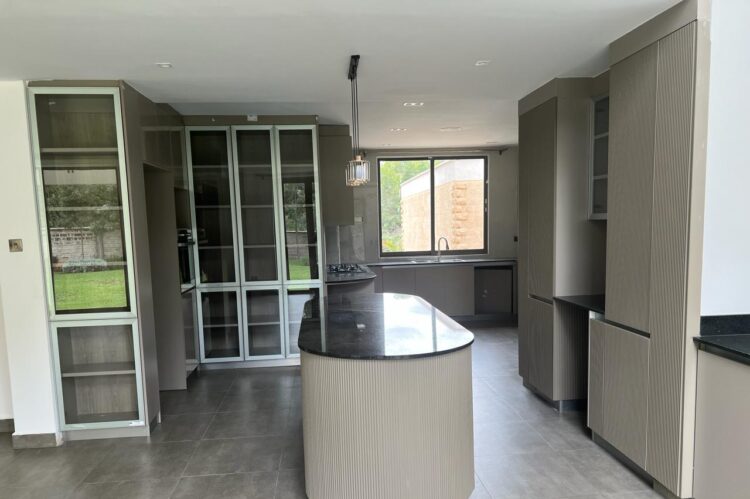
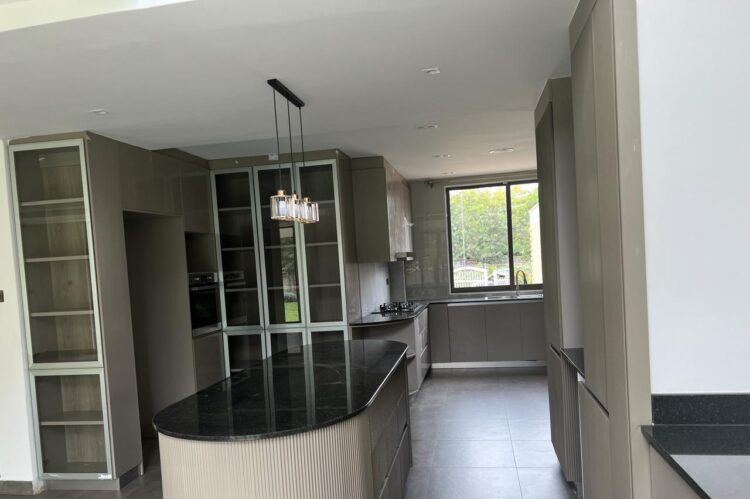
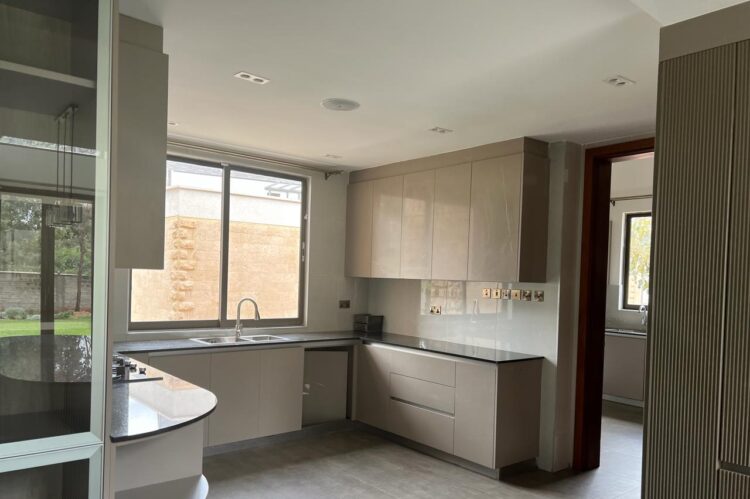
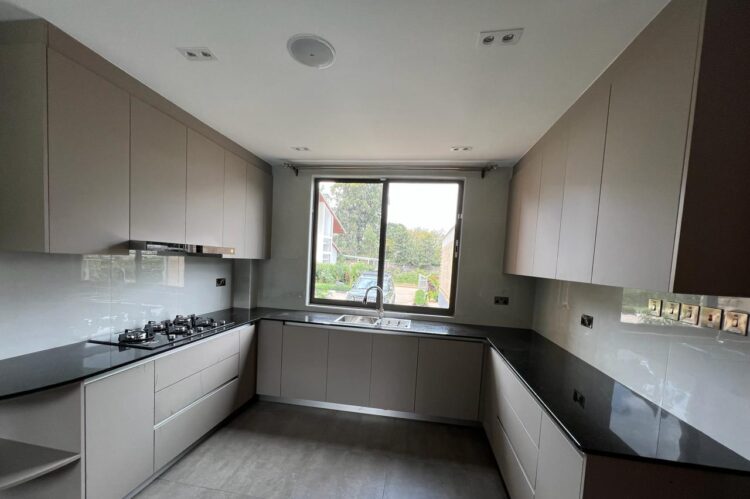
Residential Design
Office Design
Office design makes up all the components and elements of a workspace that are both decorative and functional. This might include features such as color choices, layout, lighting elements and connectivity between employees.
Keep your own goals in mind as we discuss some of the design basics for office spaces.
Commercial Design
A commercial building is one used for some sort of business purpose, such as a store, office, warehouse, or a restaurant. Just as there are many types of buildings, there are different types of interior design. Houses utilize one kind of design, while commercial structures have very different needs. We want these needs to be successful, but a successful structure does require a bit more than just location.
Our Process
-
Meet & Agree
-
Idea & Concept
-
Design & Create
-
Build & Install
The consultation meeting helps you all the stakeholders understand what is required and, then, what should be done. It helps build a smooth foundation, so your work starts on the right note and is executed smoothly.
It is best to meet the designers at your home because it would help them see the space, understand its specifications, and take measurements and notes if required. In a way, the first meeting flags off the project helps clear your doubts and concerns and forms a clear picture on planning and execution.
Whether you are planning a section of your interior remodel or redecorating, an interior designer needs to come up with a design concept. But what is a design concept in interior design?
An interior design concept is the central theme that all the design elements are focused upon. It exists as an idea first and is brought to reality through careful planning. At its best, an interior design concept is a visual theme that evokes a specific mood by strategically using color, space, and style. It is the art of turning an idea into reality.
It functions as a roadmap that drives a client’s choices regarding the design, aesthetics, color and material selection, as well as other details.
These five phases are not always sequential, in that they do not necessarily need to follow any specific order and can repeat iteratively to hone and refine our solutions through the process. Avoid the perception that phases are innately hierarchical or linear; rather, they are a journey, sometimes with side stops or shortcuts, but with direction and a destination in mind.
The short form of the design thinking process can be articulated in five steps or phases: empathize, define, ideate, prototype and test. Let’s briefly explore each of these phases in relation to a practical design process.
After all Materials and and above steps is completed. We come to site to make all the ideas a reality.
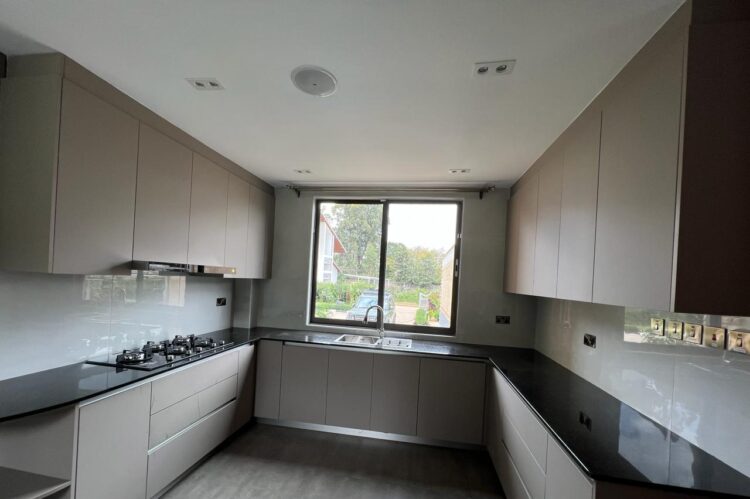
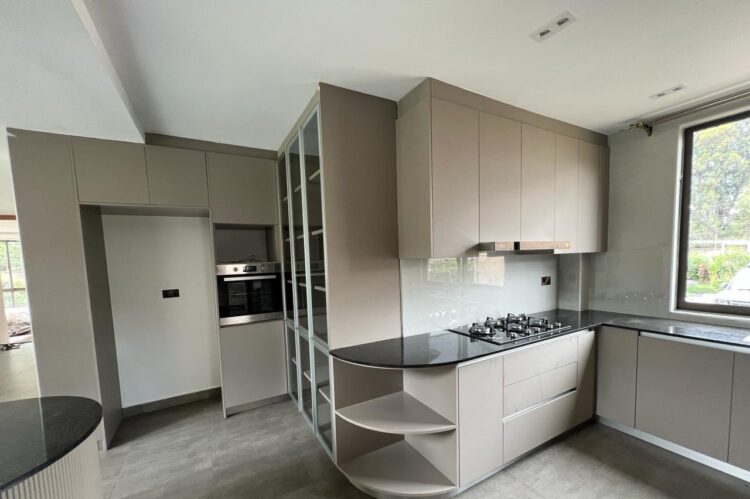
Customer Says
I’m always impressed with the services.
James, Customer
I have very much enjoyed with your services.
Patrick, Customer
I totally recommend your services.
Michael, Customer
I have very much enjoyed with your services.
John, Customer